Where Utah eFoil rentals come from
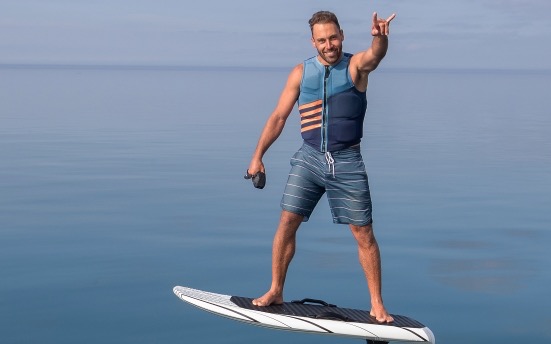
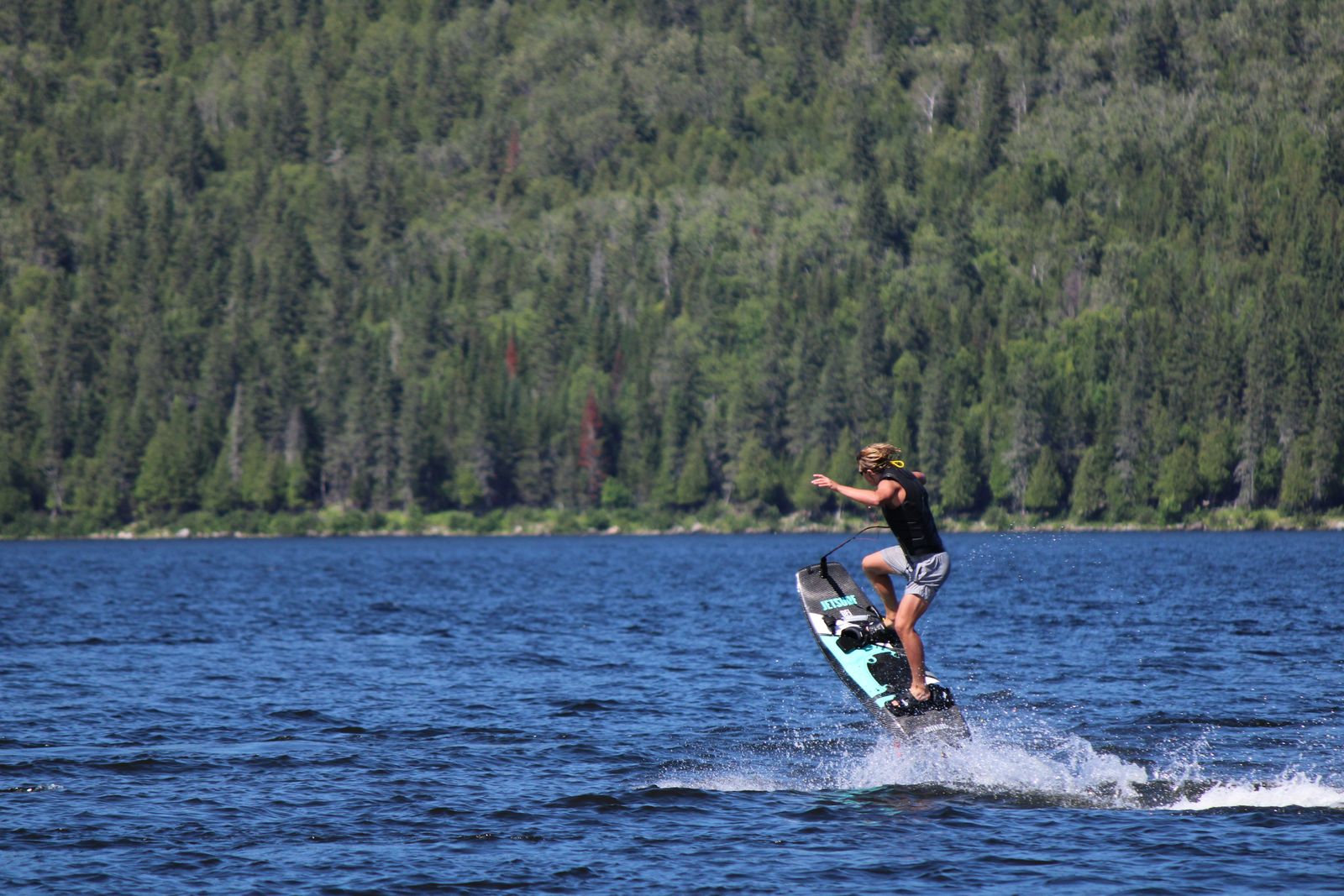
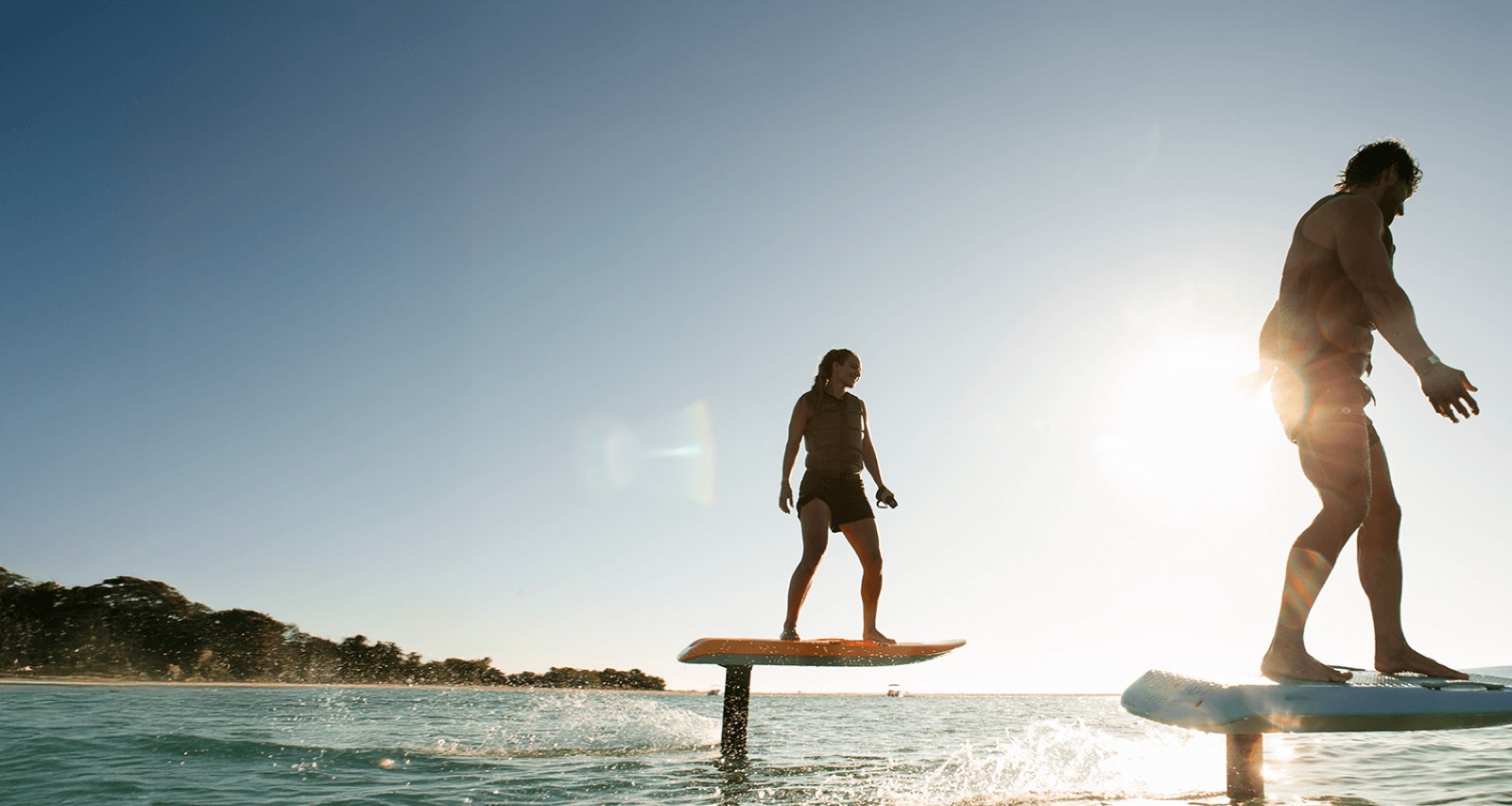
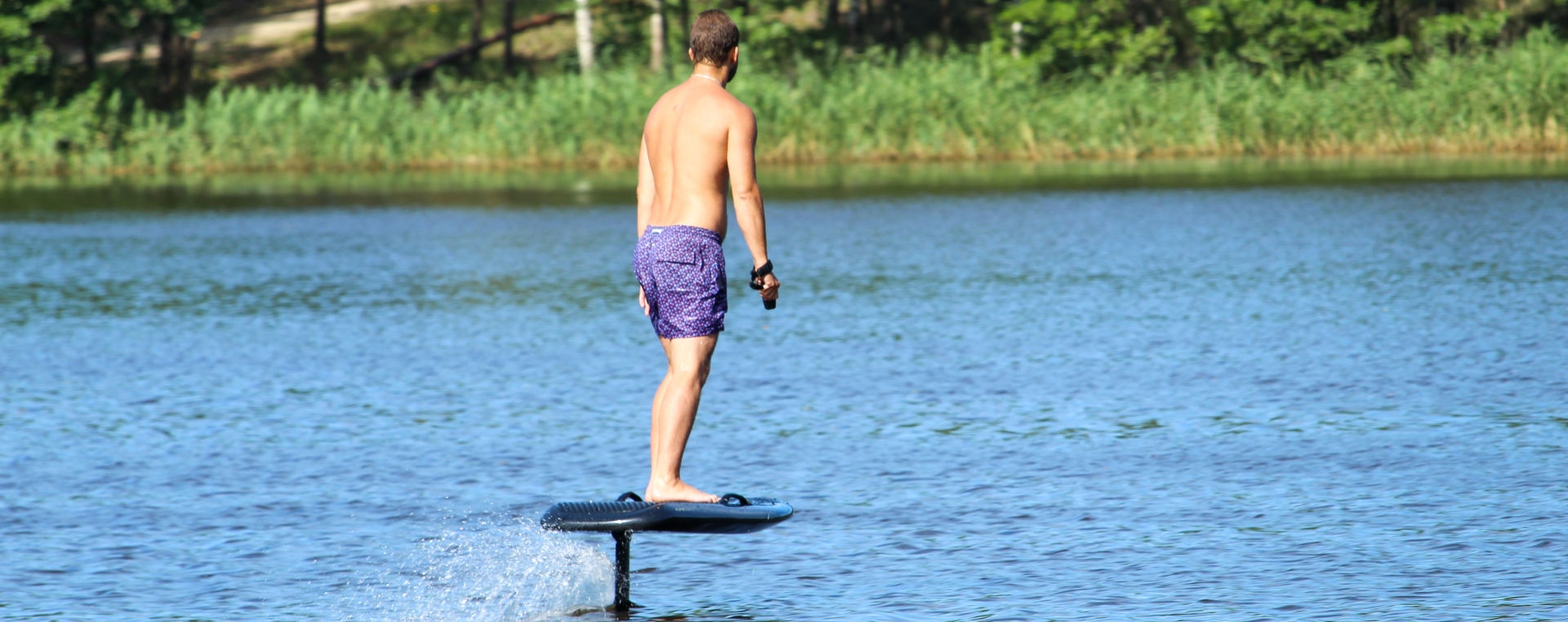
An eFoil hired in Utah often starts the day in a shop in Provo or Salt Lake City and ends it at a lake of your choosing. Peak Adventure Rentals in Provo, a rental shop that also hires out jet skis, snowmobiles and dirt bikes, has Fliteboard and Fliteboard PRO eFoils from the 2020 to 2023 model years. You collect them at 1111 W 100 S #B in Provo or at a Salt Lake City shop and take them to any lake in Utah, and the staff will suggest one if you ask. The pickup and dropoff list names Provo, Salt Lake City and Utah Lake.
Each rental includes the board, a travel bag or case, one battery with its charger and one life jacket, plus fifteen minutes of training on land before you get wet. Delivery costs extra. A runner brings the boards to your home or close to where you plan to ride, shows you how they work, gives a short safety briefing, films the condition of each board and takes a card for the deposit along with the paperwork. Book a guide and you will usually meet at one of the Utah lakes Peak prefers. The boards themselves are covered on our Fliteboard page.
Ride and Glide Rentals in North Salt Lake is listed on booking platforms for Fliteboard eFoil rentals and lessons. Lakes and prices are something to settle with the company itself.
Adventure Elevated, LLC, which calls itself “Utah's eFoil Experts”, works the other way round. You drive to the lake and the boards are waiting. The company teaches, rents, runs eFoil parties and sells boards, all of them SiFly eFoils, and it works from three lakes, Deer Creek, Jordanelle and Lake Powell. A rental leaves the choice of lake, and its rules, to you. With a lesson the school has made that choice already.
What Peak Adventure Rentals charges per board and day
Weekdays cost less than weekends and holidays at Peak, which prices its eFoils per board and per day. Lessons, spare batteries and delivery are add ons to a rental.
Swipe sideways to see all columns
| Item | Price |
|---|---|
| eFoil rental, weekday | From $397 per board per day, plus tax |
| eFoil rental, weekend or holiday | From $497 per board per day, plus tax |
| 1 hour lesson (add on) | $100 |
| 3 hour lesson and guided tour (add on) | $200 |
| Full day lesson and tour (add on) | $400 |
| Extra battery | $175 per day |
| Extra charger | $125 per day |
| Delivery within 50 miles | $75 |
| Delivery, 50 to 100 miles | $150 |
One board on a weekday with the one hour lesson starts at $497 before tax. On a Saturday the board alone starts there.
A battery lasts about one to three hours depending on how you ride, Peak says, and takes about two hours to recharge. A rider who wants the morning and the afternoon on the water therefore sits out a long lunch, unless a second battery comes along at $175 per day. Our eFoil battery guide explains why the spread between one hour and three is so wide.
Peak takes a $500 security deposit. There are two optional damage waivers. One costs 27.5% of the rental and leaves a $500 deductible, the other costs 7.5% and leaves $2,500, and on a $397 weekday rental the first adds about $109. Neither covers injuries. Renters must be 16 or older. Younger riders go out only with an adult present who has signed the waiver, so settle that when you book.
A first flight at a reservoir with Adventure Elevated
Adventure Elevated books a lesson as ninety minutes. Thirty of them go to training on shore and sixty to the water, where each rider typically has a board to themselves, with up to four people sharing one group lesson. You work up in stages, lying on your stomach first, then kneeling, then standing, and only after that does the board lift onto its foil.
Swipe sideways to see all columns
| Booking | Price |
|---|---|
| Lesson, one rider | $225 to $300, depending on location |
| Lesson, four riders at Deer Creek or Jordanelle | $500 per session (about $125 each) |
| Hourly rental at Deer Creek, experienced riders | From $175 |
| Multi day rental kit | $175 to $300 per day, by rental length |
| Private party, up to 12 riders | From $995 |
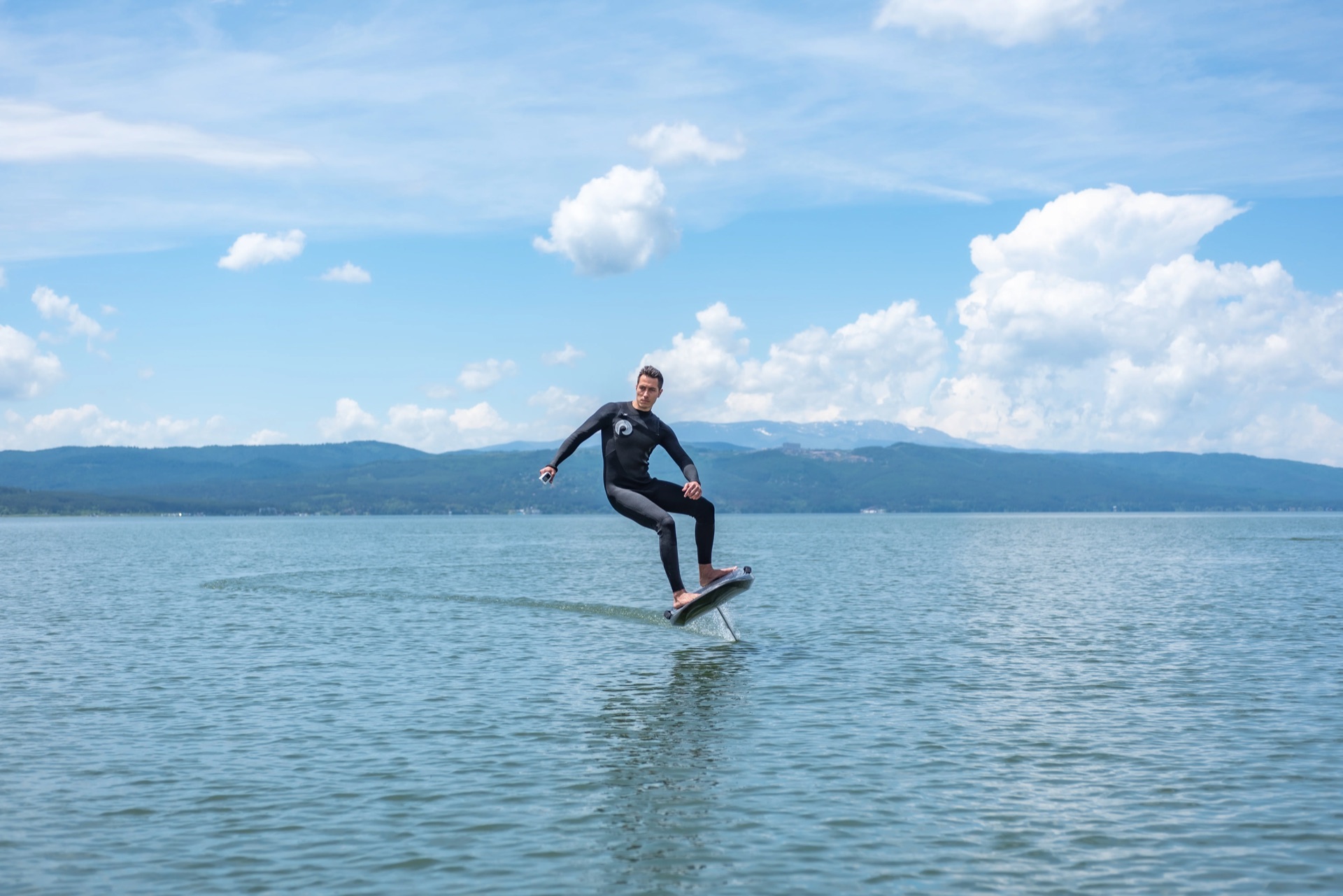
The minimum age is 12, and the operator cites Utah law for motorized vessels as the reason. Anyone under 18 needs an adult guardian on site. Riders can weigh up to 250 pounds, with no minimum, they must be strong swimmers, and nobody rides within 24 hours of a drink. Every rider gets a helmet and a life jacket, and 4/3 mm wetsuits are handed out free for colder water.
Most students foil at 10 to 12 mph. Top speeds sit near 30 mph. An adult of around 180 pounds on a high aspect wing gets roughly two hours from a battery, according to the school, and a full charge takes about two hours.
Rentals here are for riders who can already fly, by the hour or for several days. Multi day kits are picked up at Rainbow Bay on Deer Creek, or for Lake Powell at Lake Runner Adventures, 494 Haul Road, Page, AZ, for anything from two days to two weeks, with lower daily rates the longer you keep them. Cancel at least 24 hours ahead and you get a full refund; if the school calls a session off for unsafe weather or water, you choose between a refund and a new date. For how these numbers compare with buying, see our eFoil price guide.
Deer Creek and Jordanelle, the reservoirs near Heber City
Deer Creek Reservoir lies 7 miles southwest of Heber City at 5,420 feet, covers 2,680 acres and is reached from US 189. The water belongs to the Bureau of Reclamation; Utah State Parks runs the recreation. Adventure Elevated calls it home and sends first timers there. Its meeting point is the Rainbow Bay Day Use Area at Mile Marker 22 off US 189, about 50 minutes from Salt Lake City and 30 from either Provo or Park City.
Day use costs $20 per vehicle, for up to eight people, from 19 March to 20 October, and $15 from 21 October to 18 March. Utah seniors pay $10, and the 2026 annual passes are $125 for residents and $65 for seniors. No separate boat fee is listed (all read on 24 October 2026). Life jackets are required for every person on a vessel, kayaks and paddleboards included. The two ramps are the Main Deer Creek Boat Ramp and the Island Boat Ramp.
Jordanelle sits higher, at 6,130 feet on the Provo River about 10 miles north of Heber City, and spreads over roughly 3,050 acres when full. Its state park is split into the Hailstone, Rock Cliff and Ross Creek areas. Every vessel and every swimmer stays outside the buoys near the dam, vehicles stay off the beaches, and the park says plainly that all Utah boating laws are strictly enforced.
Courtesy docks serve the main boat ramp and the personal watercraft area, with a 15 minute limit, and the Rock Cliff ramp takes smaller craft up to 16 feet. The Ross Creek ramp is listed for non motorized use only, yet Ross Creek Day Use Area in Hideout, a short drive from Park City, is where Adventure Elevated meets its Jordanelle students. We do not know how the school launches there. With a board of your own we would ask the park before putting an eFoil in at Ross Creek.
Utah Lake from Provo
Utah Lake is on Peak's pickup and dropoff list, and the shop and the state park share a city. Utah Lake State Park, at 4398 W Center St in Provo, has a boat launch and a marina. The lake covers roughly 148 square miles, the largest freshwater lake in Utah and the third largest natural lake west of the Mississippi.
Depth is another matter. An October 2023 report from the Utah Lake Authority gives an average of 9 feet and says the lake loses a third to a half of its water every summer, mostly to evaporation, which takes the level down three to four feet between June and September. The water is naturally turbid, so the bottom is hard to judge from above.
With a mast under the board, that seasonal drop is the figure to watch. A launch that had enough water in June may sit in much shallower water by late summer, so find out from the shop which part of the lake it has in mind and check the depth before you fly.
Bear Lake eFoil rental and the beach launching permit
Bear Lake is not among the three locations Adventure Elevated lists. Firefly Power Bikes in Garden City appears on booking platforms with eFoil rentals at Bear Lake. The other route is a Peak board brought up from Provo or Salt Lake City. Peak's delivery tiers stop at 100 miles, so check the distance to the beach you have in mind and ask before you count on a drop off.
Bear Lake State Park has its marina at the north end of Garden City, 940 N Bear Lake Blvd, with the park office and a seven lane launch ramp. Rendezvous Beach opens on 1 May and stays open until about the third weekend of October. First Point, Cisco Beach and the Rainbow Cove ramp are open all year. Quiet hours run from 10 p.m. to 7 a.m.
To put a motorboat in from the state lands around Bear Lake you need a beach launching permit, under Utah Admin. Code R652-70-2300 as amended effective 25 March 2019. You get it once you have completed the Mussel-Aware Boater Program and hold a Decontamination Certification Form. Each person may buy one permit a calendar year, it does not apply in areas closed to motorized use, and local issuers may add a fee of up to $25. We take the rule to cover an eFoil carried down to a beach on the Utah side.
eFoil on Lake Powell under Glen Canyon rules
The meeting point is State Line Boat Ramp at Mile Marker 15 on Hwy 89, about 8.5 miles north of Page, Arizona. The ramp itself is in Utah, but Adventure Elevated books its appointments on Arizona time. The school suggests pairing a multi day kit with a houseboat trip.
Lake Powell lies inside Glen Canyon National Recreation Area, so federal rules sit on top of the state ones. 36 CFR 7.70(e) lets personal watercraft launch and run on park waters, except on the Colorado below Glen Canyon Dam and on listed upstream stretches of the Colorado, San Juan, Escalante and Dirty Devil. The catch for eFoils is the definition. 36 CFR 1.4 describes a personal watercraft by an inboard combustion engine driving a water jet pump. Our interpretation is that a battery eFoil counts as a motorized vessel on Lake Powell while those PWC area limits may not bind it. We would keep out of the listed stretches even so.
The park compendium, approved on 1 January 2026, is clearer. No vessel may go faster than 5 mph or make a wake in harbors, mooring and wakeless areas, buoyed No Wake zones, Rainbow Bridge National Monument and the Antelope, Labyrinth, Forbidding and Lost Eden Canyons, and none may enter a designated swimming area. Vessels launch at the public ramps, which are Wahweap, Stateline, the Antelope Point public ramp, Lees Ferry, Bullfrog and Halls Crossing. The open shoreline is for non motorized launches only, so on our reading an eFoil goes in from a ramp. Ramps close when the lake runs low; check ramp status before you drive. Lone Rock Beach is closed to motorized launches from November through April, and from May through October vessels up to 25 feet may launch at its designated area unless signs say otherwise.
Any motorized vessel on Lake Powell needs a vessel pass. The park lists “Personal Water Craft, eFoils (16 feet and below)” at $20 for a week or $40 for a year, payable in addition to the $30 weekly vehicle entrance or the $55 annual Glen Canyon pass (fees read on 24 October 2026). You may be asked to show your registration.
Utah Code 73-18 and the eFoil since 2026
Utah rewrote its definitions for 1 January 2026. Utah Code 73-18-2 calls any vessel propelled by machinery a motorboat (subsection 11) and defines a personal watercraft in subsection 16(a) as a motorboat under 16 feet, driven by “a water jet pump or other machinery” and ridden sitting, standing or kneeling. The Division of Outdoor Recreation summed up 1st Sub. SB200 (2025) on 6 February 2025 and said the new wording was meant to cover “eFoils and motorized surfboards”, in line with recommendations from the U.S. Coast Guard.
Washington had settled the federal question before any of this. Coast Guard Policy Letter 01-22, dated 26 August 2022, places the board (a mechanically propelled personal hydrofoil, in the letter's wording) under every rule for recreational vessels propelled by machinery and mentions that such craft can pass 35 mph. For an owner that means state numbering with a hull identification number, and the Certificate of Number aboard whenever the board is underway. On the water the letter expects a life jacket, carried or worn as state and federal rules require, plus a whistle or another sound device. Riders keep to the Inland Navigation Rules, with lights at night or in poor visibility, and use the engine cut off switch if the board has one.
What follows for a rider in Utah is our own interpretation. A privately owned board is registered under 73-18-7 (version in force since 1 January 2026), with the fee, the Boating Grant Tax and a county assessor certificate. Riders 12 to 15 need an approved boating course, the certificate on them and someone 18 or older in sight, while 16 and 17 year olds need the course and certificate (73-18-15.2, version in force since 1 July 2021). Breaking that section is an infraction, and it gives no permission at all to ride a personal watercraft under 12. Nobody may ride a personal watercraft between sunset and sunrise (73-18-15.3, version in force since 10 May 2016), so a sunset session has to end by sunset.
Under R650-215-6 everyone on a personal watercraft wears a life jacket, and an inflatable one does not count. Peak and Adventure Elevated both put a life jacket in with the board. From 1 January 2027, 73-18-15.6 (H.B. 54, 2026) adds a yearly watercraft operator safety course for every motorboat operator. It takes under 20 minutes on average, proof has to be on you, and it does not replace the youth PWC course. Rental shops will then need to see current year proof or give a safety briefing before handing over a board.
These paragraphs condense public texts in our words and do not replace them; confirm the current version with the state before you ride. If a board of your own comes next, our eFoil buying guide covers the choice.
The mussel-aware boater course and the AIS decal
“If it floats, it's a boat!” is how the Utah Division of Wildlife Resources puts it. Every boater, visitors and paddleboarders included, takes the mussel-aware boater course each year and keeps proof in the launch vehicle. Motorized craft also need the AIS Program decal, $20 a year for residents and $25 for nonresidents (read 24 October 2026), and stop at every operating inspection station, of which there are more than 40 around the state. DWR does not name eFoils. We would treat a privately owned one like any other motorized craft and buy the decal.
Quagga and zebra mussels in Utah are currently limited to Lake Powell. After Powell or any other infested water within 30 days, or on arrival from another state, a board is cleaned, drained and fully dried, or professionally decontaminated, before it launches anywhere in Utah. Anything leaving Lake Powell goes out free of mud, plants and animals, with the drain plugs out. In our view a Powell weekend followed by Deer Creek, Jordanelle, Utah Lake or Bear Lake calls for the full process in between.
Utah eFoil season from May, and longer at Lake Powell
Adventure Elevated teaches at Deer Creek and Jordanelle from May through September and puts the core season at roughly May to October. Jordanelle lies at 6,130 feet and Deer Creek at 5,420, both above a mile high, Deer Creek only just. We make no claim about what that height does to a battery or a ride. Deer Creek State Park warns of cold water conditions and tells boaters to wear their life jackets, and the school keeps free wetsuits for colder days.
Lake Powell, the school says, warms up earlier and stays rideable longer. The National Park Service says summer water there can top 80 °F, calls mid summer to early fall the best time, and warns that hypothermia risk rises in winter and early spring. Everyone 12 and younger wears a life jacket on a vessel or in the water, and the park reminds visitors that propeller strikes can maim or kill. Glen Canyon weather runs from 110 °F in June and July to 0 °F in December and January. Spring brings long windy spells, and monsoon storms in summer and fall can cause flash floods, so check the National Weather Service marine forecast.