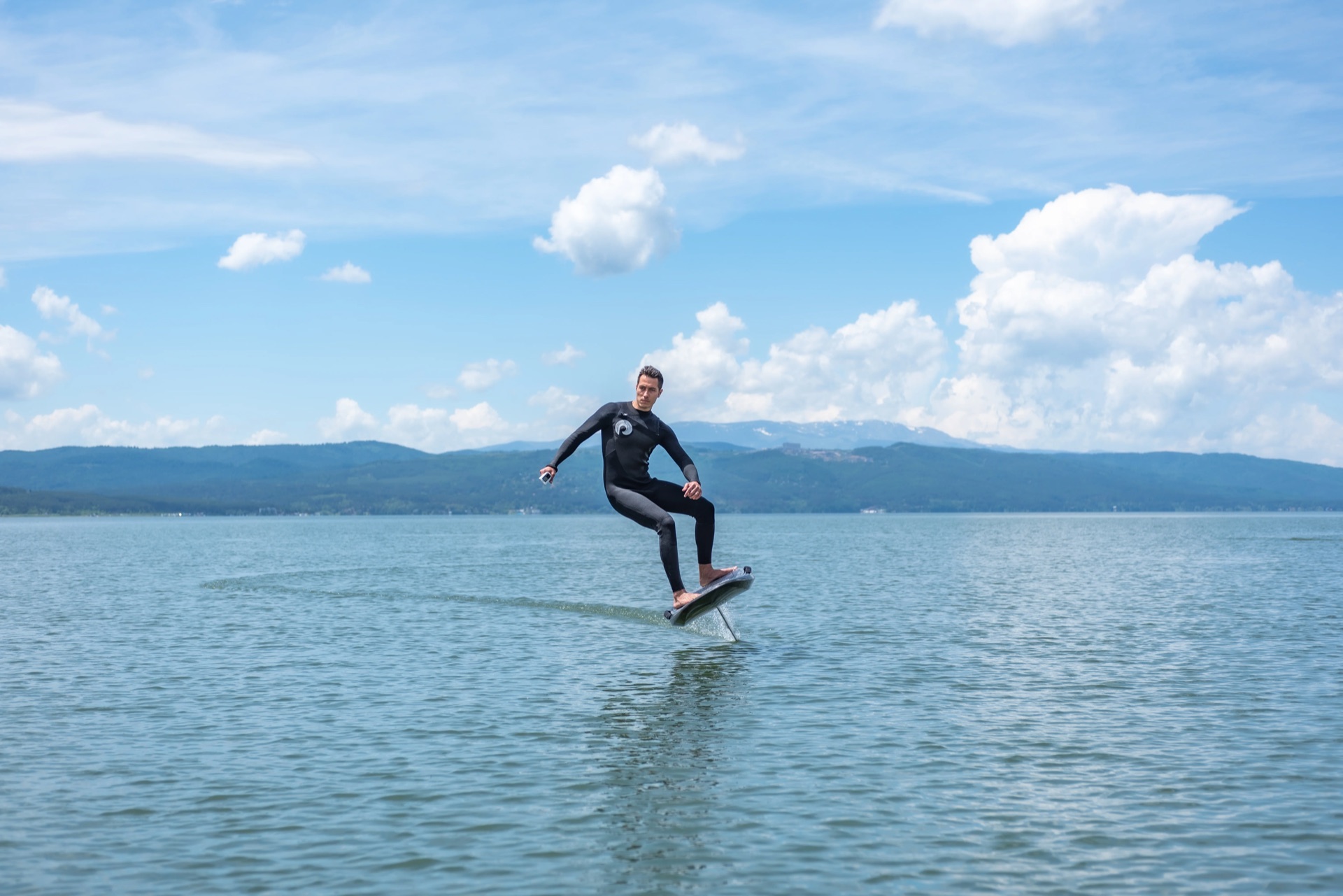
Burntisland and the Forth, where Scottish eFoiling starts
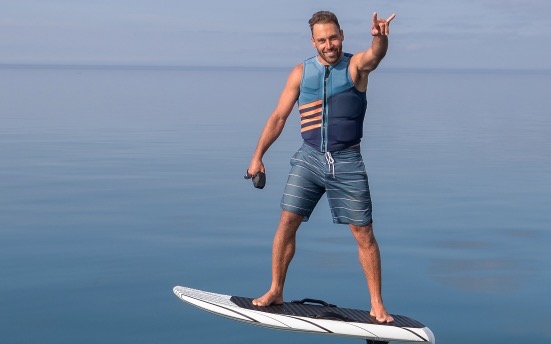
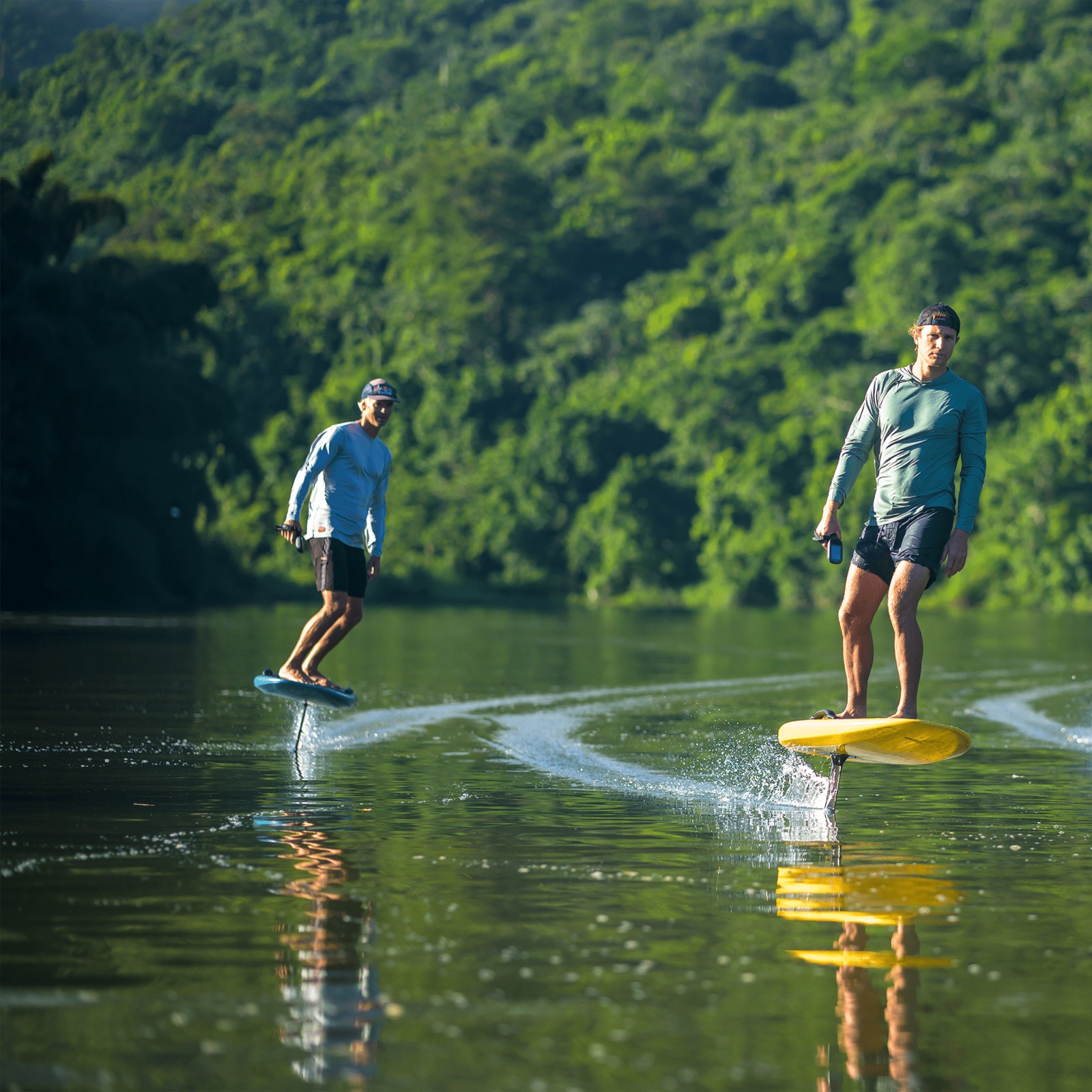
On 24 September 2026, the day every price and fee on this page was read, Scotland had two working eFoil schools. The one nearer Edinburgh is at Burntisland, on the Fife shore of the Firth of Forth. eFoil Scotland calls itself “Scotland's Leading eFoil School covering Fife and Edinburgh” and gives its base as Lammerlaws Road, half an hour from Edinburgh and five minutes from the town's railway station. You can arrive by train with swimwear, a towel and thin socks. Everything else is provided.
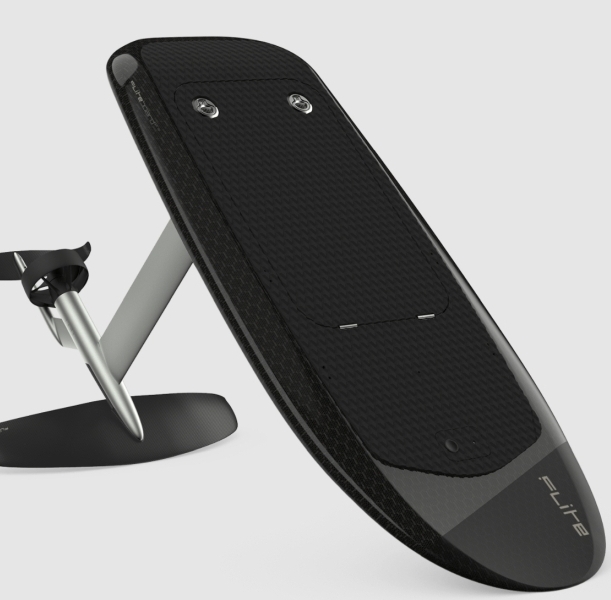
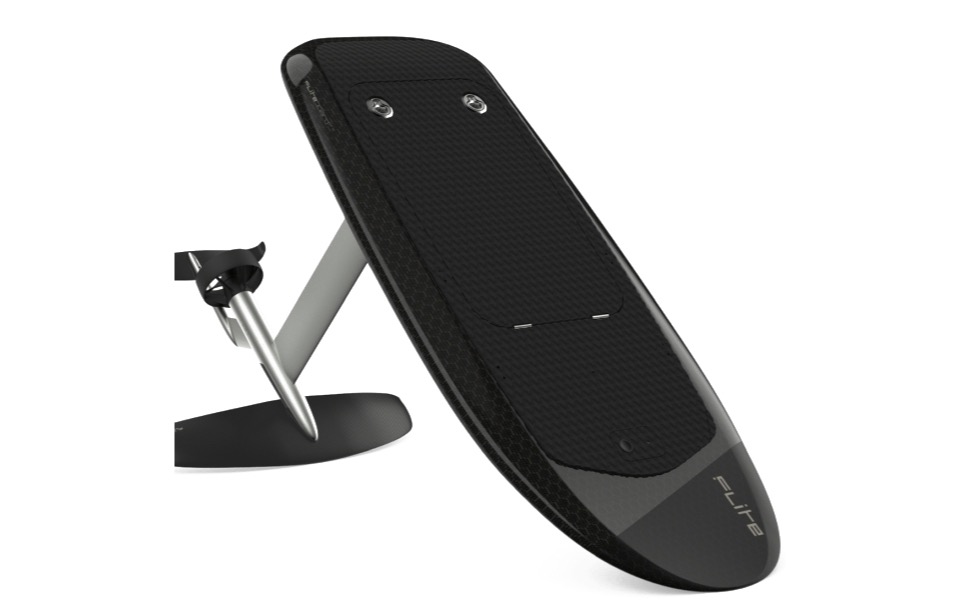
Taster, beginner and advanced sessions run from Burntisland beach. The Forth Bridge Tour launches at South Queensferry and takes you under all three bridges. Just You and the solo Freedom hire are sold for a “location of your choice”, which the school's pages do not narrow down, and locations change with the weather. The boards are Lift eFoils, all carbon. The school also sells Lift boards, credits course fees towards a board of your own and handles customs and importation for buyers.
The second school, eFoil Orkney, is affiliated with the first; each site says so in its footer. By its own account it runs lessons from all over the Orkney mainland on Lift3 boards and charges its batteries from its own wind turbine, and Orkney.com lists it as open all year round. Orkney.com's feature on a typical session describes the Sands of Evie, two to three hours on the water depending on the battery, and dry robes in a trailer that doubles as a changing room; open Atlantic riding is rare, it says, because weather, sea and tide seldom line up, so sessions stay in sheltered bays.
That is the whole list. We found no live eFoil offer on Loch Lomond, Loch Tay, Loch Ness, in the Highlands or around Glasgow that day, and a Glencoe outfit's eFoil page still read “coming soon”. A second Edinburgh-area kitesurfing school used to advertise eFoil lessons at Portobello, Musselburgh, South Queensferry and Dunbar, with a cheaper group taster, and search engines still merge those beaches and prices into eFoil Scotland's listing. Its websites were offline on the day of writing.
Home base
Burntisland, Fife
Bridge tour
South Queensferry
Boards
Lift, all carbon
Minimum age
10 (Orkney: 14)
Launch beaches on the Forth and what the byelaws ask
Burntisland beach is a 2 km sandy bay and a designated bathing water. Depending on the tide, SEPA's profile says, the water's edge can be anywhere from 0 metres to 1.2 km away, and the sand slopes gently the whole way, so at low water a board and its battery get carried a long way and sessions are timed around the tide. A combined sewer overflow discharges at the bay's western edge, and SEPA advises against bathing during heavy rain and for one to two days afterwards. Nobody on a first eFoil session stays dry, so that advice is yours as much as the swimmers'.
Portobello, Fisherrow Sands at Musselburgh and Belhaven at Dunbar carry the identical warning, and all three are bathing waters monitored from 15 May to 15 September, the window in which SEPA expects them to be busiest. In September 2025 Edinburgh's licensing sub-committee refused jet ski tours from Portobello after objections from Police Scotland, Forth Ports and the council's public safety team; the convener called the water a very busy shipping channel. An eFoil is not a jet ski, but the refusal shows how the council looks at powered hire craft off that beach.
On the water itself you ride under the Forth Byelaws. Forth Ports' limits run from Stirling down both banks to a line from the North Carr Beacon in Fife to the South Carr Beacon in East Lothian, “vessel” means every description of water craft however propelled, and Burntisland is listed among the Authority's own docks and harbours. Four byelaws bite on a foil board:
- Byelaw 20 says keep clear and slow down past the anchorages and mooring buoys south of Burntisland.
- Byelaw 22 asks for due care and caution, and a speed and manner that endanger no other vessel.
- Byelaw 28 bars entering or crossing a fairway unless it is clear.
- Byelaw 30 keeps anyone under 16 from being in charge of a power-driven vessel rated above ten horsepower or capable of more than 8 knots in still water.
The fine for a breach is up to £400, and there is no general numeric speed limit for the open Firth. Dunbar, as far as we can place the South Carr beacon, lies outside the line on the North Sea side. UK law applies on top of the byelaws, and the UK eFoil rules page has the detail. The Merchant Shipping (Watercraft) Order 2023 made an eFoil a “watercraft”, and the Maritime and Coastguard Agency's note MGN 684 names eFoils in so many words. That brought no licence, test, compulsory registration or insurance duty with it. It brought liability instead. Ride dangerously, ride under drink or drugs or break the collision regulations and you can be prosecuted, and from 17 April 2026 the accident investigation and reporting regime for ships extends to watercraft. The schools' minimum ages, 10 in Fife and 14 in Orkney, are their own policies; for a private board on the Forth, treat 16 as the line.
A customer review on eFoil Scotland's home page mentions dolphins at South Queensferry. In Scotland it is an offence to deliberately or recklessly disturb any dolphin, porpoise or whale under regulation 39 of the Conservation (Natural Habitats, &c.) Regulations 1994 in its Scottish form. Ease off and let them choose. The 100 metres from swimmers suggested in our eFoil guide is our advice, not a figure from Scottish law.
Why most lochs are off-limits or permit-based
Scotland's access rights are broad, and they stop at the motor. Section 9 of the Land Reform (Scotland) Act 2003 excludes “being on or crossing land in or with a motorised vehicle or vessel” from the right of access, and the Act's definition of land takes in inland waters, canals and the foreshore; the Scottish Outdoor Access Code repeats it in plain words. A canoe or a wing foil can go where the Code allows. An eFoil on a loch, river or reservoir needs a navigation right, a byelaw scheme that admits it, or the owner's permission.
Loch Lomond has a registration scheme, and it works like a permit regime. Any craft with a motor must be registered with the National Park Authority and display its number. The Loch Lomond Byelaws 2023 define a power-driven vessel as any vessel fitted with propelling machinery and a personal water craft as one ridden on top of a hull; an eFoil fits both as we read it, though the Park does not name the sport. Whoever rides must register as a user, the owner must be 18 or over, the number and annual marks go on both sides of the craft (how a board carries annual marks is something the ranger team will have to tell you), and registration lapses on 31 January. A lifejacket, buoyancy aid or impact vest is worn at all times on a personal water craft. Without the Authority's written approval, an under-16 may not be in charge of anything above 3.7 kW unless an adult of 18 or over is on the vessel, which a single-rider board cannot provide.
Speed is zoned. In the dark-blue areas of the Park's plan a power-driven vessel goes no faster than 11 km/h and does not get on the plane, and 6 km/h buoys mark Balloch Castle Country Park, Duck Bay, Luss, Manse Bay, Milarrochy, Sallochy and Rowardennan. Whether a board in flight counts as on the plane is not something the byelaws say. The Park lists launch fees of £110.95 for a multiple launch pass, £27.80 for a single launch and retrieval and £13.90 one way.
Loch Earn has a code instead, and the Park's Loch Earn Code reads like a warning. The water “can be very cold all year round”, hypothermia is a danger within minutes, beaches shelve quickly into deep water, and there is no dedicated rescue boat. Launching facilities for powered craft are limited, two of the three listed sites exclude personal water craft, any power-driven boat of 10 hp and over must carry third-party insurance, dead slow applies within 50 metres of every shore, and beaching a powered craft needs the landowner's permission except in an emergency.
The canals are Scottish Canals' water, where a powered boat needs a Scottish Navigation Licence. None goes to anyone under 18, insurance must cover £2 million of third-party liabilities, and the canal speed limit is 5 mph. No licence page mentions a board, so ask Scottish Canals first whether they would license an eFoil. Loch Ness is presented as part of the 60-mile Caledonian Canal; whether the licence regime reaches the open loch, and who controls launching from its shores, we could not establish. Everywhere else, a private loch, a reservoir, a river, is the owner's call, because the access right that lets you walk the shore does not put a motor on the water.
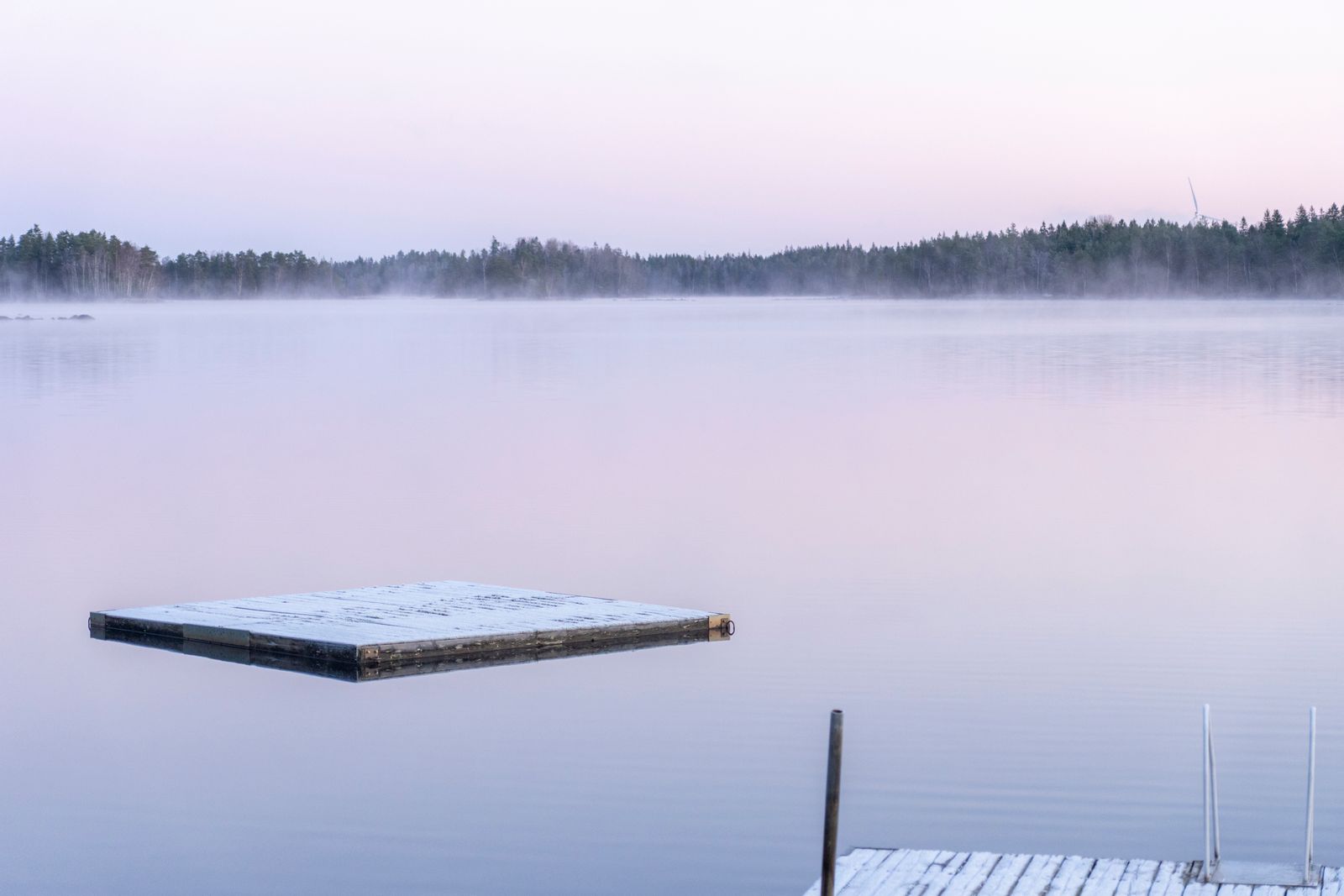
Water temperature, wind, haar and the tide
The Scottish Government's coastal observatory publishes monthly sea surface temperatures by sea area, and for the East Scotland Coast the 1997 to 2013 averages run from 6.9 °C in March, the coldest month, to 14.6 °C in August. Scottish waters have warmed since, by about 0.2 °C per decade over the 30 years to 2017 and faster off the south east, so today's means may run a few tenths to about a degree above those figures, not several. It is a sea-area average, not a Forth reading, and how closely it tracks the Firth we could not check.
Both schools issue a wetsuit, lifejacket, boots, gloves and a helmet with built-in communications, all included in the price; you bring swimwear, a towel and thin socks. The archived page of the second Edinburgh school specified a warm 5/4 wetsuit.
Wind in eastern Scotland is strongest from December to February, the Met Office says, and the region ranks among the windier ones in the UK. Most of the time it blows from somewhere between south and north west; in spring the north east becomes the most frequent direction. Read against a map, Burntisland on the north shore lies in the lee of the usual south-westerly while a spring north-easterly blows straight onto its beach; the Met Office says nothing so local, and that inference is ours. The sailing club at Granton adds that a sea breeze sets in around 13:00 off Inchkeith on sunny anticyclonic days and that wind over tide kicks up short, steep seas over the shallows south of Inchmickery.
Haar is the east coast's own hazard, the late-spring sea fog that leaves June marginally sunnier than May on the Met Office's figures. No Scottish rule we found limits an eFoil to daylight on the Forth, but a rider in haar cannot see the fairway that byelaw 28 tells them to keep clear of.
Scotland's mean spring tidal ranges are generally between 4 and 5 metres; on the Forth the range is several metres, enough to move Burntisland's water line by more than a kilometre. Under the bridges at South Queensferry a sea kayaking guide puts the average spring rate at up to 4.5 knots and warns that wind against tide produces rough water in a place that looks sheltered. A rider on the board has a motor against that. A rider off the board drifts like anything else in the water. The Maritime and Coastguard Agency recommends the Coastguard's voluntary safety identification scheme, which you join by registering on RYA SafeTrx at no cost.
As for season, eFoil Orkney runs all year according to Orkney.com, and eFoil Scotland publishes none, only that locations change with the weather. February and March are the cold months in the water and August the warm one, the wind blows hardest from December to February, and the beaches are expected to be busiest from mid-May to mid-September, so late summer and early autumn give you the warmest water with fewer swimmers to share it.
Packages, solo hire and board prices
Six packages sit on eFoil Scotland's price page, each priced per person.
Swipe the table sideways for more columns
| Package | Format | Time | Price |
|---|---|---|---|
| Group Taster | 1 board shared by 3 (2 boards above 3 people), Burntisland | 2 hours | £115 |
| Beginner Flight | Max 2 people, 2 boards, Burntisland | Over 2 hours | £260 |
| Advanced Flight | For riders planning to buy, different fin setups, Burntisland | 2 hours | £230 |
| Forth Bridge Tour | Max 2 people, 2 boards, South Queensferry, filmed if you wish | Not stated | £290 |
| Just You | 1 person, 1 board, location of your choice | Over 2 hours | £310 |
| Freedom | Solo hire after instructor sign-off, location of your choice | 2 hours | £170 |
Freedom is the one to notice. Once the instructors judge you competent you can take a board out solo for two hours, all equipment provided, and everything in the rules above applies to you just as it does to the school. Entry rules are minimum age 10, a 25-metre swim and five minutes treading water, and a weight limit of around 110 kg that the school says depends on build. Vouchers are valid for a year and non-refundable; the Just You voucher is £320.
eFoil Orkney lists a Group Taster at £130 for two people sharing one board, a Beginner Flight at £260 for one rider on one board, and Freedom at £170, which in Orkney means a reduced-rate hire with an instructor there to assist, not a solo session. Minimum age is 14.
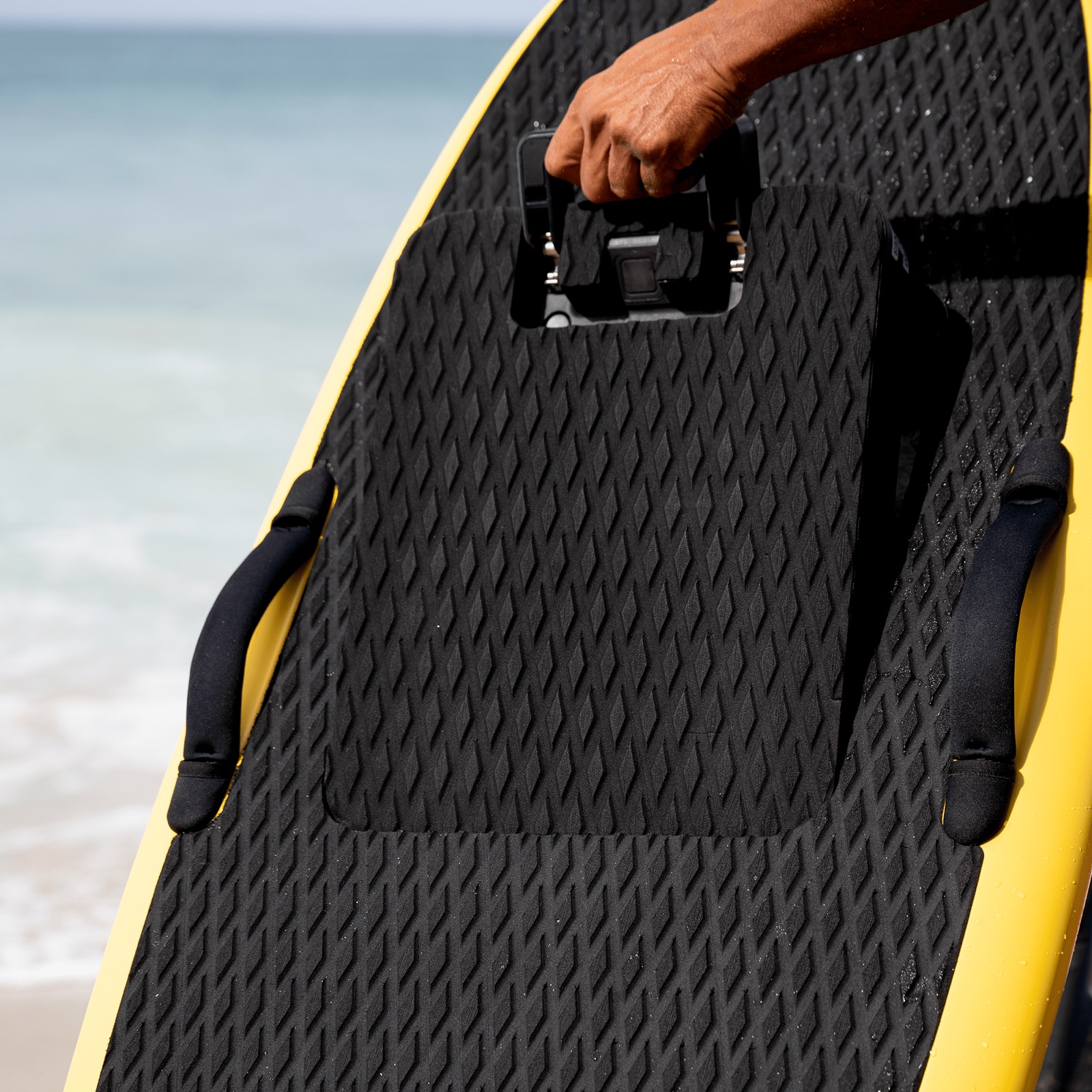
Buying is another bracket, and the school's shop doubles as a UK price list for Lift. The LIFT5 is £13,500 including VAT and import duty, the LIFT4 £10,000 in each of its three sizes, the LIFTX £13,500 (a crossover, see our foil assist page), and the Jobe Epix, built on Waydoo components, £6,230. Against those figures the £230 Advanced Flight is a small outlay, and it is the one package the school aims at riders planning to buy, with two hours on different fin setups before you commit £10,000 to one of them. Our eFoil price guide and buying guide cover the wider market, and the used eFoil page is where boards change hands for less.
Off the Forth the bill grows. Loch Lomond adds registration and launch fees, the canals a licence and £2 million of insurance. Where a UK authority or lake operator puts a number on third-party cover, it is often somewhere between £2 million and £3 million.